Training Your American Pit Bull Terrier Well
Confident, people-loving and strong, the American Pit Bull Terrier rewards owners who start early. Learn humane, reward-based ways to build manners, social skills and a calm routine from the first week.
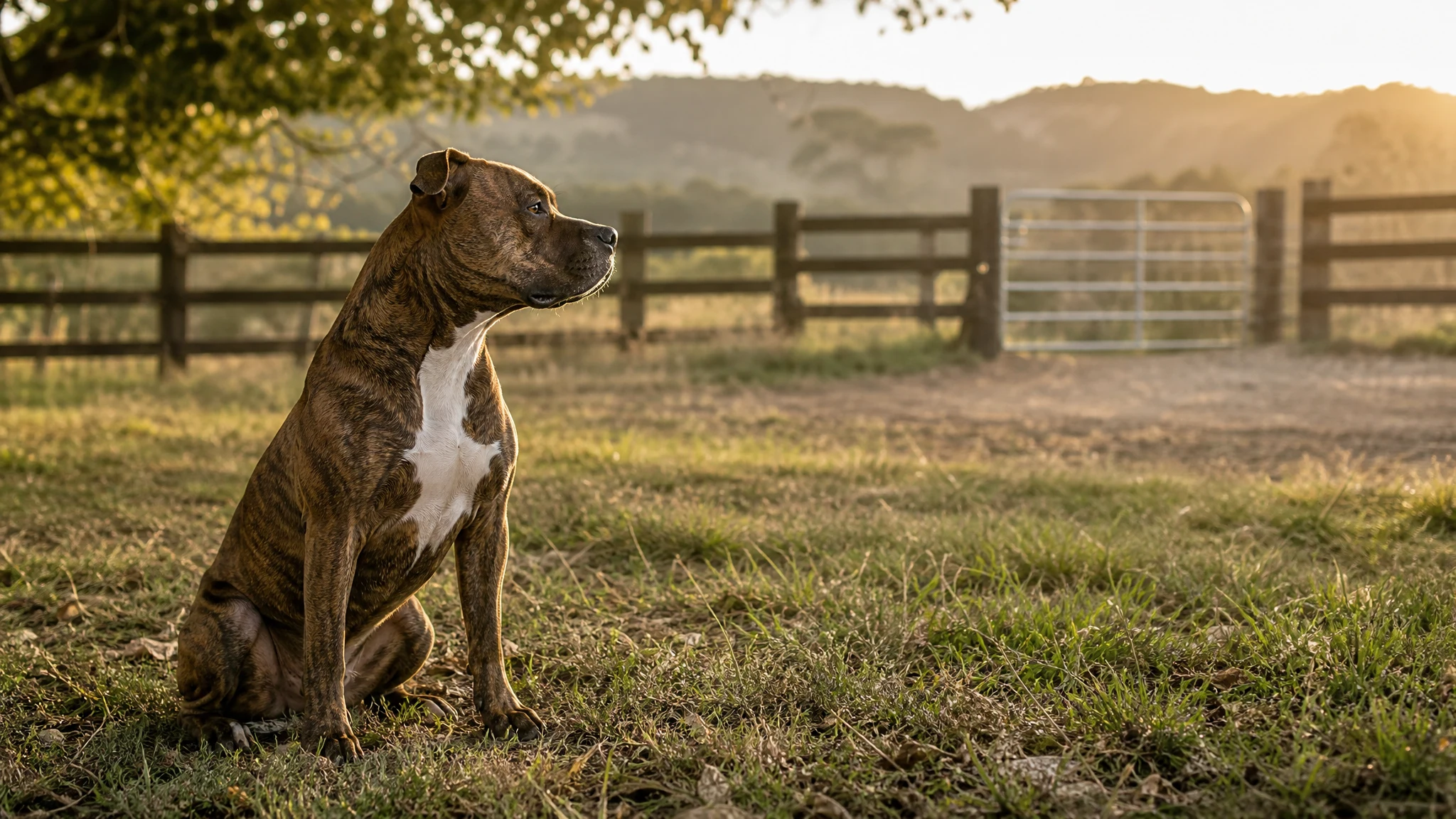
Training Guides for Every Stage
Practical, reward-based lessons on socialization, manners, fencing and sports, written for owners of this strong and athletic breed.
Puppy
From the first night home to adolescence: a American Pit Bull Terrier puppy's training.
Training basics
Potty, crate and leash training, written for American Pit Bull Terriers.
- Are American Pit Bull Terriers Easy to Train? Temperament and Trainability FAQ
- Leash Training a American Pit Bull Terrier: Pulling, Lunging and Loose-Leash Walking
- Crate Training a American Pit Bull Terrier and Preventing Separation Anxiety
- How to Potty Train a American Pit Bull Terrier Puppy
- American Pit Bull Terrier Training: The Complete Guide for Owners
Behavior
The American Pit Bull Terrier problems owners ask about most, and the instincts behind them.
Exercise and jobs
How much a American Pit Bull Terrier needs to do, and the sports and work the breed was made for.
What American Pit Bull Terriers do
Sports and work the breed is known for. source
The American Pit Bull Terrier at a glance
From the AKC breed page and the national breed club, as they state it.
| Origin | Developed in England, Ireland and Scotland from Bulldog and Terrier crosses; brought to the United States by immigrants; UKC was the first registry to recognize the breed source |
| Bred for | Catch dog for semi-wild cattle and hogs, hunting, driving livestock, and family companion source |
| Height | Mature males 18 to 21 inches at the withers; mature females 17 to 20 inches source |
| Weight | Mature males 35 to 60 lb in good condition; mature females 30 to 50 lb source |
| Life expectancy | 12 to 14 years (retailer profile, not a primary source; the UKC page does not state a life expectancy) source |
| With children | UKC standard says the breed has always been noted for its love of children source |
| With other dogs | Most APBTs show some level of dog aggression source |
| Temperament | Strength, confidence and zest for life; eager to please; very friendly even with strangers, so not the best guard dog source |
American Pit Bull Terrier health screening
Tests the breed's club and OFA recommend for breeding dogs. Ask a breeder for results.
| Health issues the club notes | issue: hip dysplasia; detail: described as common in bully breeds and can lead to arthritis; source url: https://chewy.com/education/dog-breeds/american-pit-bull-terrier; source name: Chewy breed profile (secondary source, not a club or vet school); retrieved: 2026-10-26; quote: is common in bully breeds | issue: UKC… source |
American Pit Bull Terrier Training Questions
When should I start socializing my American Pit Bull Terrier puppy?
An ADBA article by Amy Greenwood Burford says the key window runs from eight weeks to six months of age, and that calm early exposure builds confidence. The United Kennel Club says the breed needs an owner who socializes carefully. Ask your veterinarian which outings are safe before vaccines are complete.
Will my American Pit Bull Terrier get along with other dogs?
The United Kennel Club breed standard says most American Pit Bull Terriers show some level of dog aggression. Individual dogs vary, so plan for it: manage greetings, use reward-based training for calm focus around other dogs, and avoid off-leash dog parks. A qualified positive-reinforcement trainer can help.
Are American Pit Bull Terriers good with children?
The United Kennel Club standard says the breed has always been noted for its love of children, and describes it as very friendly even with strangers. Any dog still needs supervision around kids, and children need to learn gentle handling. Reward calm greetings with treats.
How much exercise does an American Pit Bull Terrier need?
The United Kennel Club describes a physically active, muscular and very agile breed but gives no exercise amount. Ask your veterinarian what suits your dog's age and health. Training games, sniffing walks and sports such as agility or weight pulls can use that energy when your veterinarian agrees.
Does an American Pit Bull Terrier need secure fencing, and what sports suit it?
Yes. The United Kennel Club standard lists a powerful build and strong climbing, so secure fencing matters. It also lists obedience, rally, tracking, agility, lure coursing, dock jumping and weight pulls as sports, which give a strong dog a rewarding job.
General training information. Every dog is an individual; for health or behavior concerns, see your veterinarian.