American Pit Bull Terrier Training: The Complete Guide for Owners
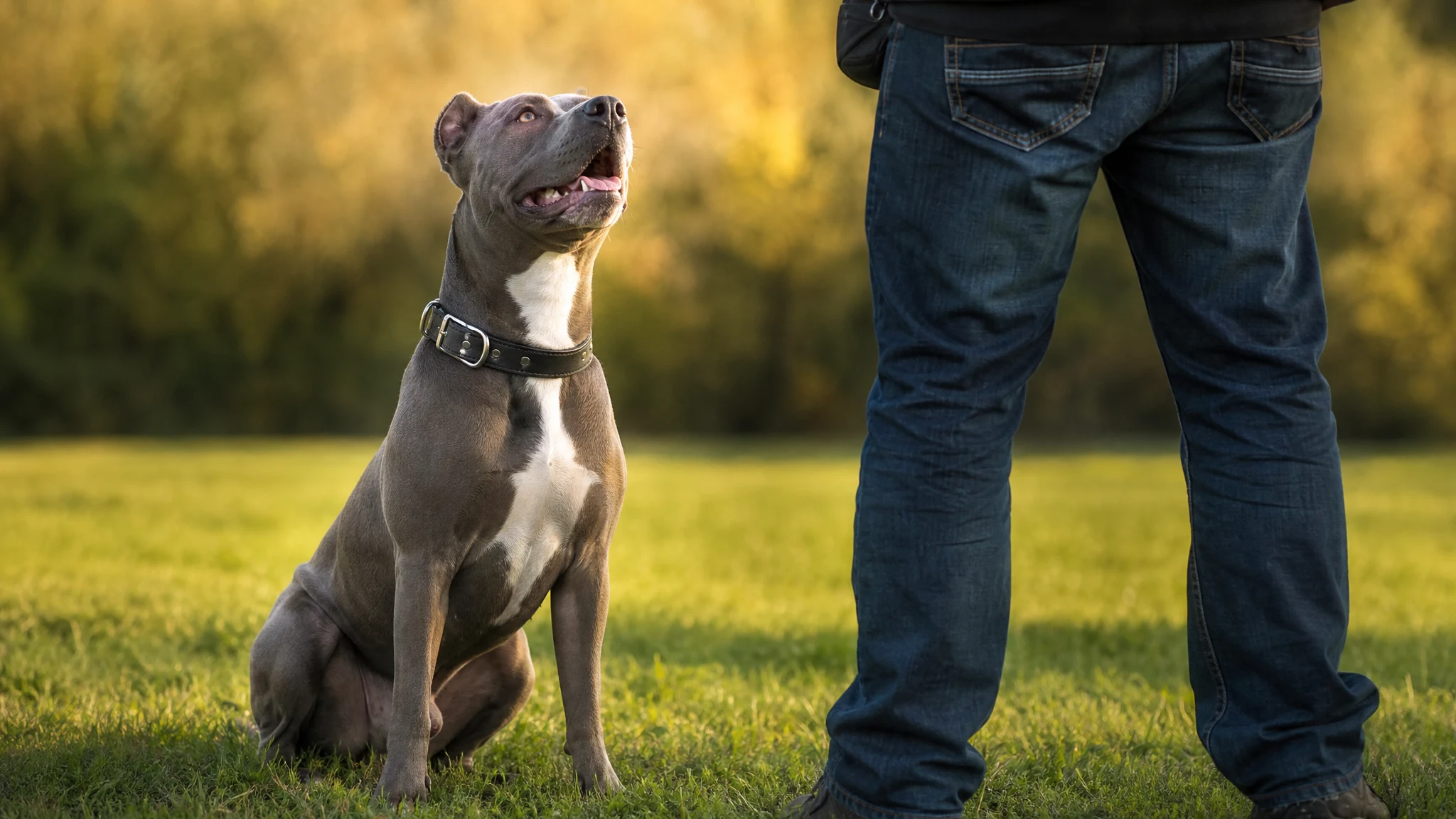
General training information. Every dog is an individual; for health or behavior concerns, see your veterinarian.
The American Pit Bull Terrier is a dog that wants to be with you, wants to work, and has the body to do both with real force. That mix makes training very rewarding and also very necessary. A well-raised APBT is a joy. An unraised one is a lot of muscle with no direction.
This guide covers american pit bull terrier training from the first weeks at home through adulthood. It explains what the breed was developed to do, how that shapes the way you teach, which motivators work, how to meet exercise and mental needs, and what to plan for ahead of time. Individual dogs vary, so treat everything here as a starting map, not a promise about your dog.
Table of Contents
- Key Takeaways
- What the American Pit Bull Terrier Was Bred For
- Temperament and What It Means for Training
- Training Stages: Puppy to Adult
- Motivation That Works for This Breed
- How to Train an American Pit Bull Terrier: Core Skills
- Exercise and Mental Work
- Challenges to Plan For
- Sources
Key Takeaways
- The United Kennel Club (UKC) breed standard describes a breed built for catching semi-wild cattle and hogs, hunting, driving livestock, and living as a family companion.
- The UKC describes the breed as eager to please, confident, and very friendly even with strangers.
- The UKC says most APBTs show some level of dog aggression and that the breed needs an owner who carefully socializes and obedience trains it.
- An American Dog Breeders Association (ADBA) article names eight weeks to six months of age as the key socialization window.
- Reward-based methods fit the breed's eagerness to please and match the guidance of the American Veterinary Society of Animal Behavior (AVSAB).
- Plan for a strong dog, secure fencing, controlled dog introductions, and daily physical and mental work.
What the American Pit Bull Terrier Was Bred For
Good training starts with knowing why a breed exists. The United Kennel Club breed standard says the American Pit Bull Terrier was developed in England, Ireland and Scotland from Bulldog and Terrier crosses. Immigrants then brought the dogs to the United States. The UKC notes that it was the first registry to recognize the breed.
The UKC lists the original jobs as catch dog for semi-wild cattle and hogs, hunting, driving livestock, and family companion. Read that list slowly, because it tells you a lot.
Working roles that shape behavior
A catch dog has to be physically capable, brave, and willing to work close to a handler. A livestock driver has to take direction. A family companion has to be at ease around people. Put those together and you get a dog that is athletic, motivated by a job, and focused on its people.
None of that means every APBT will act the same. Lines, upbringing and individual personality all matter. But the history explains why the breed tends to do well when it has structure and a task, and why boredom can turn into trouble.
Size and build
The UKC standard gives mature males as 18 to 21 inches at the withers and 35 to 60 pounds in good condition. Mature females are 17 to 20 inches and 30 to 50 pounds. The standard describes a physically active, muscular, very agile dog.
For training, this matters in a practical way. A dog this strong learns early whether pulling works. Teach manners while the dog is small enough to manage easily, and keep teaching them as it grows.
Temperament and What It Means for Training
The UKC describes the breed's temperament as strength, confidence and a zest for life. It calls the dogs eager to please and says they are very friendly, even with strangers, which is why the standard says they are not the best guard dogs. On children, the UKC says the breed has always been noted for its love of them.
Eager to please is your biggest asset
A dog that wants to work with you is a gift to a trainer. An ADBA article on puppy socialization quotes a behaviorist who praises the breed's trainability. When a dog enjoys your attention, you have a powerful reward to work with, and you do not need harsh tools to get cooperation.
Zest for life needs an outlet
Zest is wonderful on a walk and exhausting in a living room. A dog with plenty of drive and no outlet will invent its own jobs, and you probably will not like them. Chewing, digging, jumping on guests and zooming through the house are common ways that bottled-up energy shows up in any active breed. Your training plan should include enough activity to meet the dog's needs.
Friendly does not mean untrained
A dog that loves everyone can still knock a toddler down or drag a visitor across the yard. Friendliness needs manners on top of it. Teaching a calm greeting is one of the most useful things you can do with this breed.
Dog aggression is part of the honest picture
The UKC standard states that most APBTs show some level of dog aggression. It also says the breed needs an owner who carefully socializes and obedience trains it. This is the single most important breed-specific point in this guide, and it affects how you choose a home, a dog park (usually, no dog park), a walking route and a sitter.
Some dogs get along with others for life. Some do not. You will not know which type you have until you watch your own dog over time, so build your management around safety, not hope.
Training Stages: Puppy to Adult
Training is a long project, not a weekend course. Here is a stage-by-stage way to think about it. The ages are approximate, and your dog sets the real pace.
Stage 1: Settling in and early socialization (eight weeks to six months)
The ADBA article on early socialization says the key window runs from eight weeks to six months of age, and that calm early exposure builds confidence. The word to hold onto is calm. The goal is not to throw a puppy into chaos. It is to show the puppy that the world is interesting and safe.
Good early exposures include:
- Different people: men, women, children, people in hats, people with umbrellas, delivery workers at a distance
- Different surfaces: tile, grass, gravel, metal grates, wet pavement
- Sounds: vacuum, traffic, doorbells, pots clanging, at low volume first
- Handling: paws, ears, mouth, collar, grooming tools, a towel
- Car rides and short visits to new places
Pair each new thing with a treat and let the puppy approach at its own speed. If the puppy backs away, give more distance, not more pressure. Ask your veterinarian which places are safe before the puppy is fully vaccinated.
Since the UKC points to dog aggression in the breed, meeting other dogs deserves special thought. Choose calm, healthy, vaccinated adult dogs that you know, keep the greetings short and relaxed, and end them before anyone gets overexcited. Skip crowded dog parks entirely.
Alongside socialization, start the basics: name response, sit, down, come, a crate routine, and house training. Keep sessions short and end on a win.
Stage 2: Building habits (roughly six months to adolescence)
As the puppy gets bigger, it also gets bolder. Many owners find this stage the hardest. A dog that was perfect at ten weeks may suddenly act as if it has never heard the word sit. This is normal. Do not escalate to harsh methods. Go back to easier steps, reward more often, and practice in calmer places.
Priorities at this stage:
- Loose-leash walking, because the dog is now strong enough to pull
- A reliable recall on a long line in secure areas
- Impulse control: waiting at doors, waiting for food, settling on a mat
- Continuing calm, structured social exposure
- Keeping chew items on hand, since adult teeth and strong jaws can destroy furniture quickly
Stage 3: Adult maturity
Adult dogs still need training. Skills fade without practice, and a mature APBT needs ongoing mental work as much as a young one does. Use this stage to proof your skills: practice around distractions, in new places, and with people the dog does not know well.
It is also the stage where any tendency toward dog selectivity may become clearer. Watch your dog's body language, respect what it tells you, and adjust management as needed. If you see stiffness, hard staring or rising tension around other dogs, increase distance, reward calm behavior, and consider help from a qualified, reward-based trainer or a veterinary behaviorist.
Stage 4: Senior years
A retailer breed profile from Chewy gives a life expectancy of 12 to 14 years. That is a secondary source, and the UKC page does not state a figure, so ask your veterinarian what to expect for your own dog. In later years, shorten sessions, favor gentle activity, and keep the mind busy with sniffing games and easy tricks. Report any changes in mobility or behavior to your veterinarian.
Motivation That Works for This Breed
Reward-based training is the approach recommended by the American Veterinary Society of Animal Behavior. It fits this breed well, because an eager-to-please dog gives you so many things to reward. This site does not recommend shock, prong or choke collars, alpha rolls, scruffing or any dominance-based method. They add fear and stress, and they can make behavior problems worse.
Find your dog's currency
Every dog values different things. Test a few and notice what makes your dog light up:
- Food: small, soft, smelly treats work best for quick repetition. Count training treats as part of the daily food so weight stays healthy, and ask your veterinarian about amounts.
- Toys: tug and fetch make excellent rewards for a dog that loves to play.
- Praise and touch: some dogs work happily for a cheerful voice and a chest scratch.
- Life rewards: going out the door, getting the leash clipped on, or being released to sniff can be rewards too.
Use play as a skill
Tug is a favorite with many bully breed owners, and it can be used well. Teach a clear start cue and a clear drop cue. Stop the game calmly if teeth touch skin. Done this way, tug builds focus and impulse control, not wildness.
Timing and consistency
Mark the exact moment the dog does the right thing with a word like "yes" or a clicker, then deliver the reward. Keep your cues the same across the household. If one person allows jumping and another does not, the dog learns that jumping is a gamble, and gamblers keep playing.
Keep sessions short and upbeat
Five minutes, a few times a day, beats one long grind. End while the dog is still keen. A dog that finishes sessions wanting more will come to the next one with energy.
How to Train an American Pit Bull Terrier: Core Skills
This section pulls together the american pit bull terrier training tips that matter most, in the order that most owners find useful.
1. Name and attention
Say the dog's name, and when it looks at you, mark and reward. Repeat until your dog snaps its head toward you at the sound. Attention is the base for everything else.
2. Sit and down
Hold a treat at the dog's nose and move it up and back so the dog's bottom lowers. Mark and reward. For down, lower the treat from the sit to the floor between the front paws. Fade the lure into a hand signal once the dog understands.
3. Calm greetings
Because the breed is described as very friendly with strangers, jumping and leaning on guests is a common problem. Reward four paws on the floor. Ask for a sit before anyone pets the dog, and ask visitors to ignore the dog until it is calm. A leash or baby gate can help you set the dog up to win.
4. Loose-leash walking
Reward the dog for being beside you, and stop moving when the leash goes tight. Start in a quiet place such as a hallway or yard, then add distractions slowly. A well-fitted front-clip harness or flat collar with a sturdy leash is a humane option, and a qualified reward-based trainer can help you choose equipment. Avoid prong, choke and shock collars.
For a strong dog, equipment is only a backup. The real fix is teaching the dog that staying near you pays better than pulling.
5. Recall
Make "come" the best word your dog knows. Reward heavily with the dog's favorite treats or a game of tug. Never call the dog to you for something unpleasant. Practice on a long line, and do not trust off-leash recall in an open area. Terrier and working backgrounds can bring a strong chase drive, and a dog that bolts after a squirrel can be hard to stop.
6. Settle on a mat
Teach the dog that a mat or bed is where calm things happen. Reward the dog for lying there, then add time and distractions. This skill helps a high-energy dog learn to switch off, and it is great for cafe patios, guests and vet visits.
7. Drop it and leave it
A strong-jawed dog needs a dependable way to give up objects. Trade the item for something better, so the dog learns that giving up an object brings something good. Never wrestle things out of the dog's mouth.
8. Crate and alone time
A crate used kindly gives a dog a safe den and helps with house training and travel. Build positive feelings with meals and chews. Practice short absences so the dog learns that you always come back.
Exercise and Mental Work
The UKC describes a physically active, muscular, very agile breed, but it does not give an exercise amount. A retailer profile suggests one to two hours of intense activity a day. That figure comes from a secondary source and is unverified, so use it only as a rough idea and ask your veterinarian what suits your dog's age, weight and health.
Physical outlets
- Brisk leashed walks and hikes on varied routes
- Fetch and flirt-pole games in a secure area
- Safe tug sessions with rules
- Swimming, if your dog enjoys it and you supervise closely
Build up slowly with puppies and keep high-impact exercise limited while the dog is growing. Ask your veterinarian for joint-friendly guidance. A Chewy breed profile describes hip dysplasia as common in bully breeds and says it can lead to arthritis. Your veterinarian is the right person to talk to about screening and prevention.
Mental outlets
Mental work tires a dog out in a way that a walk alone often does not. Try:
- Food puzzles and snuffle mats
- Scatter feeding in the yard
- Hide-and-seek with toys or people
- Learning new tricks, such as spin, paw, or bow
- Scent games, where the dog finds a hidden treat or a toy
Dog sports and jobs
Sports give an eager, athletic dog a purpose, and they build the bond between dog and handler. The UKC lists these activities for the breed: Obedience, Rally Obedience, Tracking, Agility, Lure Coursing, Dock Jumping, Weight Pulls and Conformation.
The ADBA runs conformation shows and weight pulls. Its FAQ names weight pull titles of Ace and Ace of Ace, and conformation titles of Champion and Grand Champion. Check each organization directly for current rules, entry requirements, and event dates before you plan to compete.
Many sports also teach useful life skills. Rally builds focus around distractions, and tracking turns a dog's nose into a job. Weight pulling rewards steady effort, but it should be built up carefully with veterinary guidance and proper equipment.
Challenges to Plan For
Dog-to-dog behavior
As noted, the UKC says most APBTs show some level of dog aggression. Plan around that fact:
- Keep the dog leashed or securely fenced whenever other dogs may be nearby.
- Avoid off-leash dog parks.
- Introduce new dogs on neutral ground, with both dogs under control and with a plan to separate them calmly.
- Use gates, crates or separate rooms when other pets are home and no one is watching.
- Learn the signs of rising tension and step in early.
If your dog already reacts to other dogs, work with a qualified reward-based trainer or a veterinary behaviorist. Do not punish a growl, because the growl is useful information. Punishing it can teach a dog to hide its warnings.
Strength
A powerful dog magnifies every training gap. Pulling, jumping and mouthing that are merely annoying in a small dog become real safety issues in a muscular one. Teach manners early, use proper equipment, and be sure that every family member, including older children, can handle the dog safely. Supervise children and dogs together at all times.
Climbing and fencing
The UKC standard notes a strong climber, so secure fencing is needed. Check your fence height and look for anything the dog can use as a ladder, such as stacked bins, a woodpile or a low roof. Check gates and latches regularly, and do not leave the dog alone in the yard for long periods. A secure yard is part of responsible ownership with this breed.
Boredom and destructive habits
An unoccupied APBT can chew, dig, bark and escape. Daily exercise, food toys, short training sessions and a settled routine usually prevent most of it. If destruction suddenly starts or worsens, talk to your veterinarian, since pain or illness can change behavior.
Not a guard dog
The UKC says the breed is very friendly even with strangers and is not the best guard dog. Do not train a dog to be aggressive toward people, and do not rely on one for protection. A dog that greets strangers happily is a more reliable family member than one that is taught to be suspicious.
Health and breed standards
The UKC disqualifies cryptorchidism, dwarfism and deafness, and cautions against exaggerations that harm health. That is breed standard wording, not a list of diseases. For screening recommendations and any health concern, talk to your veterinarian. This guide cannot diagnose a dog or suggest medicines or supplements. If you are choosing a puppy, ask the breeder or rescue about health history and check with the registry involved about what testing it recommends.
Legal and housing rules
Rules about pit bull type dogs vary widely by city, county, landlord and insurer. This guide does not list them. Check with your local animal services agency, your landlord and your insurance company before you bring a dog home.
When to get help
Call a qualified, reward-based trainer, or a veterinary behaviorist, if you see:
- Growling, snapping or lunging at people or dogs
- Guarding of food, toys or furniture
- Extreme fear or panic
- Behavior changes that seem sudden or out of character
Ask any trainer how they work before you hire them. If they recommend shock, prong or choke collars, alpha rolls or dominance methods, look elsewhere.
A Simple Weekly Routine to Start With
It helps to put all this into a plan. Here is one example you can adjust for your dog and your schedule.
- Daily: two or three short training sessions, one or more walks, a food puzzle or scatter feed, and a calm settle on the mat.
- Several times a week: a longer outing in a new but controlled place, a play session with tug or fetch, and practice of recall on a long line.
- Weekly: a new trick or skill, a check of fences and gates, and a review of what is working and what is not.
Keep notes. Write down what your dog does well, where it struggles, and what rewards it prefers. Patterns show up fast on paper.
Final Thoughts
American pit bull terrier training rewards patience, kindness and consistency. The breed's history as a working and family dog, along with the UKC description of an eager-to-please, confident and friendly dog, gives you a strong foundation. The UKC's honest warnings about dog aggression and the need for careful socialization and obedience training tell you where to put your effort.
If you remember only a few things about how to train an american pit bull terrier, make them these: socialize calmly and early, reward what you want, manage the environment so the dog cannot practice problems, give the dog daily work, and call a qualified professional when something worries you.
Sources
- United Kennel Club (UKC): American Pit Bull Terrier breed standard
- American Dog Breeders Association (ADBA): The Importance of Early Puppy Socialization
- American Dog Breeders Association (ADBA): FAQs
- Chewy breed profile: American Pit Bull Terrier (retailer page, secondary source)